
A great printed piece has a job to do. Maybe it needs to introduce a new business. Maybe it needs to bring people into an upcoming event, help a salesperson make a stronger presentation, or give customers a reason to scan a QR code and visit a website.
Whatever the goal, simply putting ink on paper is no longer enough.
Businesses are getting more strategic about the materials they print, how they use them, and what happens after someone receives them. That shift is one reason a local print shop in Malden that businesses can turn to for everything from everyday business materials to larger marketing campaigns can be a valuable resource.
At Mystic Parker Printing, print is part of a bigger communication strategy. With digital and offset printing, large format capabilities, promotional products, design services, and mailing, businesses can bring several pieces of a campaign together under one roof.
The New Goal: Make Print Useful
Think about the last flyer, postcard, brochure, or business card you actually kept. Chances are, it had a purpose.
Maybe it contained information you needed. Or, perhaps, the design made the company memorable. Maybe it gave you a discount, event date, phone number, or website that you wanted to reference later. That is where modern print marketing is heading.
Instead of asking, “What should we print?” businesses are increasingly asking: “What do we want someone to do after they see it?” That simple change can completely affect the finished product.
A restaurant might use a postcard to drive customers toward an online ordering page. A real estate professional may use a polished property brochure to give prospective buyers something tangible to take home. A contractor could use a professionally designed sell sheet to explain services during an estimate.
The printed piece becomes part of the customer journey, not the entire journey.
Are QR Codes Still Relevant in Print?
Yes, but there is an important catch. A QR code should lead somewhere useful.
Current print marketing trends increasingly connect physical materials with digital experiences, using QR codes to send customers to landing pages, videos, online offers, product information, event registration, and other digital content. The mistake is adding a QR code simply because it is trendy.
Before printing, ask: Where does the code go? Does the page work well on a phone? Does it provide something useful? Is the next step obvious?
A postcard with a QR code that says “Scan for this month’s special” gives the customer a reason to interact. A random QR code sitting in the corner does not. The same idea works on brochures, posters, menus, event materials, direct mail, packaging, and signage.
Personalization Is Changing What Businesses Print
Generic marketing has never disappeared completely, but businesses now have more ways to make printed communications feel relevant to specific audiences.
Personalized print can include names, locations, offers, event information, customer segments, or other variable information. Industry observers are identifying personalization as one of the major developments shaping print in 2026.
That does not mean every postcard needs someone’s first name splashed across the front. Sometimes personalization simply means sending the right message to the right group.
For example, a business with multiple service areas might create mailer versions tailored to different communities. A nonprofit could create targeted fundraising materials for different donor groups. A business attending several trade shows might customize materials around each audience. The result can feel much more intentional than a one-size-fits-all campaign.
Digital Printing or Offset Printing: Which One Should You Use?
This is one of the questions customers often have when starting a project. The answer depends on the job.
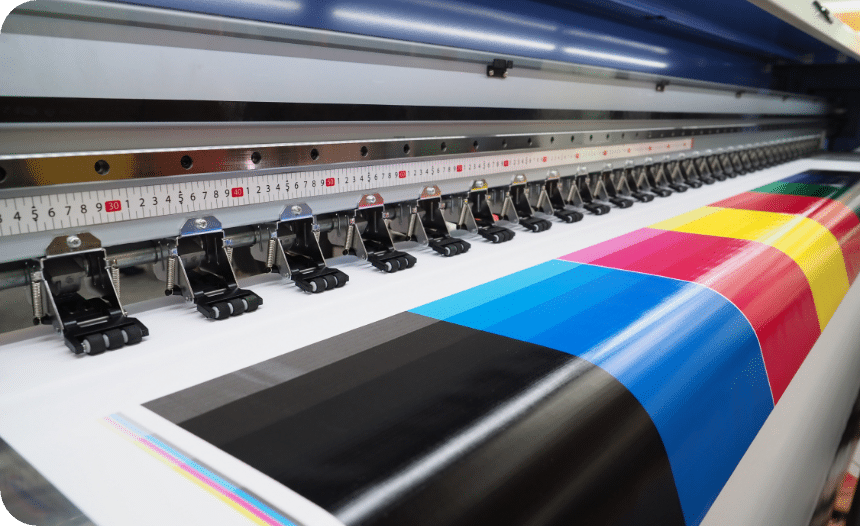
Digital printing can be particularly useful when a business needs flexibility, shorter runs, frequent updates, or customized pieces. Offset printing remains an important choice for many larger-volume projects where consistency and production efficiency are priorities.
There is no universal “better” option. The more useful question is: Which printing process makes sense for this particular project?
That is where working with an experienced local printer can help. Mystic Parker offers both digital and offset printing, allowing projects to be matched to the appropriate production method.
Print Does Not Stop at Paper
Another major industry shift is the broader definition of “print.” A business’s physical brand presence can include:
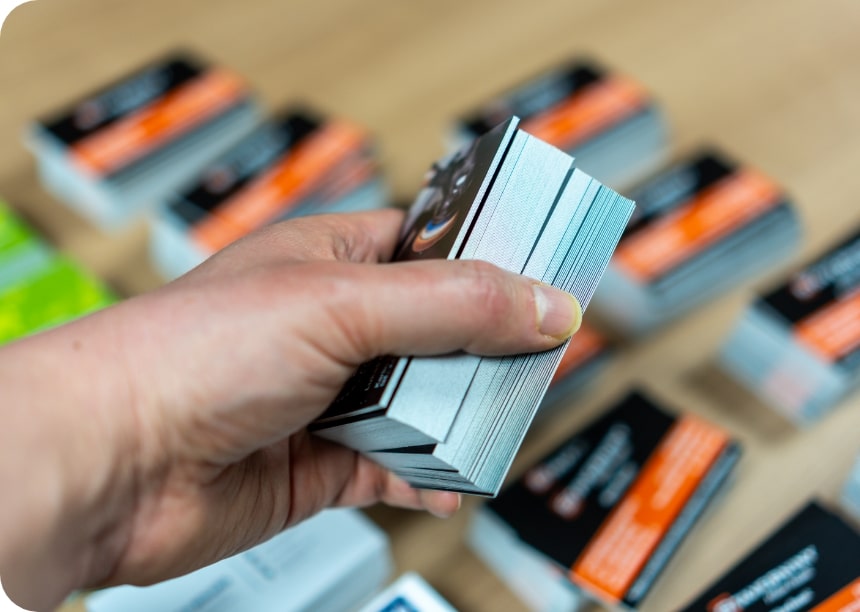
- Business cards and stationery
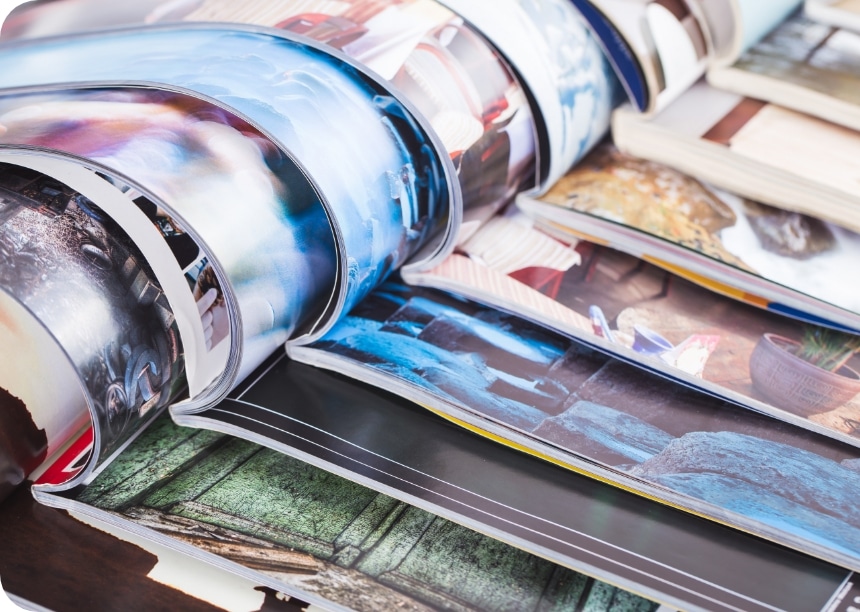
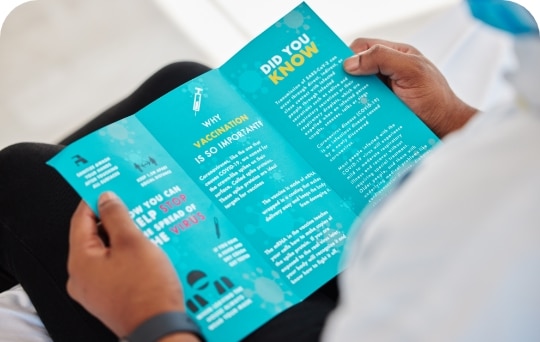
- Brochures and booklets
- Postcards and self-mailers
- Posters and banners
- Trade show graphics
- Point-of-purchase displays
- Promotional apparel
- Corporate gifts
- Envelopes and letterheads
Mystic Parker’s services extend across these categories, including promotional printing, large format printing, mailing, and design. That matters because brand consistency becomes much easier when the pieces are planned together.
Your business card should look like your brochure. A trade show display should feel like your website. Your direct mail piece should reinforce the same message your sales team is using. Print becomes another extension of the brand.
What Should You Ask Before Sending a Project to Print?
Before approving a final file, take a few minutes to answer five questions:
Who is receiving this? Knowing the audience affects everything from wording to size and format.
What do I want them to do? Visit a website? Call? Schedule? Attend? Buy? Keep the information?
How long does the piece need to last? A temporary event poster has very different requirements from permanent signage.
Does the design work in the real world? Something that looks great on a computer screen may need adjustments when printed.
Can print and digital work together? If a QR code, website, social channel, or online form makes sense, build that connection into the project from the beginning.
These questions can prevent a surprisingly common problem: creating a beautiful printed piece that never actually accomplishes its intended purpose.
A Better Way to Think About Your Next Print Project
Print is not disappearing. It is becoming more intentional. The businesses getting the most value from it are not necessarily printing more. They are thinking about why they are printing, who they are reaching, and what happens next.
That could mean a highly targeted postcard campaign, a polished presentation folder, a new set of branded materials, or a trade show display that connects visitors to an online experience.
When you need a print shop in Malden for everything from everyday materials to larger marketing projects, Mystic Parker Printing brings printing, design, promotional products, large format, and mailing services together under one roof.
Ready to Make Your Next Print Project Work Harder?
Have an idea but aren’t sure which format, printing method, or finished product makes the most sense? Talk with Mystic Parker Printing about your next project and find a print solution built around what you want your audience to see, understand, and do.